The global shift from isolated IoT gadgets to highly unified, semantic Home Automation Systems requires sophisticated manufacturing infrastructure, standardized interoperability protocols, and expert engineering design.
We build hardware compatible with multi-protocol configurations (Matter, Thread, Zigbee, Wi-Fi 6), ensuring unified automation networks that prevent consumer vendor lock-in.
By executing hardware-software co-design concurrently, we cut time-to-market by 40% and eliminate integration latency during initial production runs.
Engineered for industrial longevity with fail-safes. Local processing modules maintain core operations during network outages, providing superior uptime.
A smart home isn't just about switching lights on and off. Advanced ODM home automation systems dynamically adapt to localized cultural habits, physical safety requirements, and local energy consumption patterns.
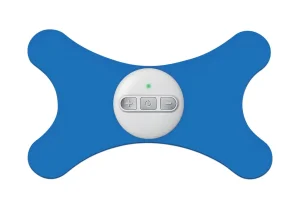
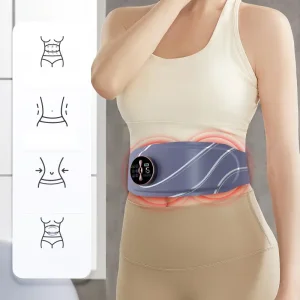
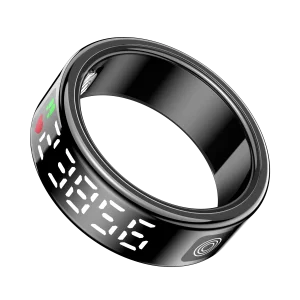
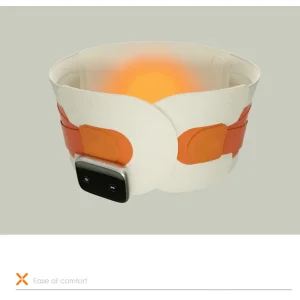
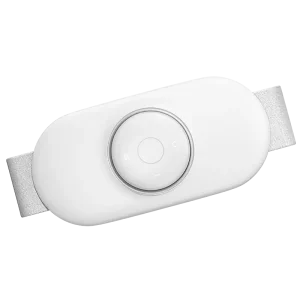
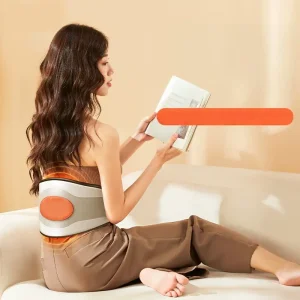
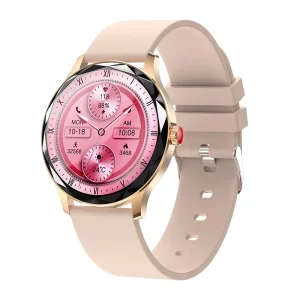
By linking diagnostic personal wearables like the Smart Ring and Smartwatch for Women directly with ambient home heating and ventilation systems, the environment dynamically adjusts based on bio-metric metrics. If local stress levels rising or body temp shifts are detected, the room temperature rises, air filtration increases, and pre-configured smart back-care products like the Heated Moxibustion Lumbar Support Belt or a wireless Lumbar Massage Belt can suggest a customized therapy routine to the resident.
This localized closed-loop system is highly demanded by specialized eldercare facilities and luxury modern residences aiming for premium lifestyle differentiation.
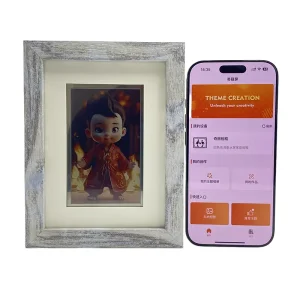
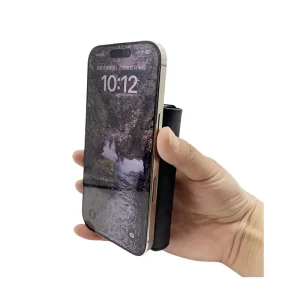
Modern environmental standards demand minimal standby power draw. Implementing low-power technologies, such as the Eco-Friendly E-Ink Photo Frame or custom E-Ink Smart Wallets, enables the creation of energy-neutral indoor status indicators. By placing localized E-ink control pads near entry points, homeowners get real-time energy usage updates, weather status, and security metrics without polluting rooms with bright LED glow or wasting power.
These ultra-low-power dashboard units pull energy efficiently, supporting local green initiatives by minimizing household electric consumption.
Smart automation extends to event venues and massive industrial setups. Integration of security and access accessories, such as the Smart RFID Wristband, allows high-density crowd tracking, keyless entry to specific sectors, and automated zone lighting adjustments based on physical presence.
For large-scale corporate headquarters, automating access systems reduces staffing costs while gathering behavioral traffic analysis to cut building climate control waste.
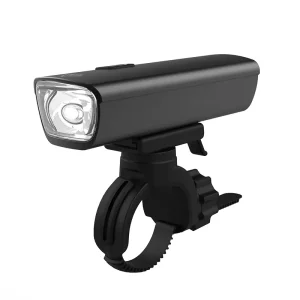
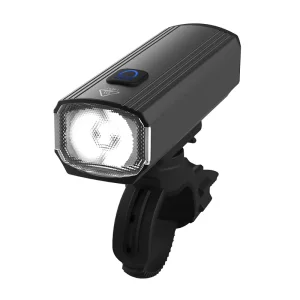
Smart homes extend to the driveway and outdoor pathways. When active commuters approach with smart active gear like the ODM Ultimate Bike Headlight or the ODM Bike Light for Nighttime Adventures, localized exterior mesh nodes recognize the device signatures, turning on path lighting, sliding open gates, and raising garage doors automatically.
This integration guarantees seamless safety transitions from outdoor commuting to indoor comfort, establishing a continuous security web around the residence.

Standing on the mountain peak, we can see the farther world. At Royalpeak, we specialize in the production, engineering, and global B2B supply of custom consumer electronic devices, health-tech products, sports accessories, and smart home appliances.
With 10+ years of manufacturing experience, we operate as a certified OEM/ODM supplier, crafting premium wellness gadgets, customizable connected hardware, and integrated gifting solutions for global corporate clients and wellness-focused brands.
Our core belief is that technology should act as a silent guardian of health and a tangible expression of love. This guiding vision inspires our product development, material sourcing, and environmental choices.

Developing at least 3 patented smart wellness technologies annually to stay ahead of the technical curves of the IoT industry.
Maintaining a strict chemical inventory. Every piece of plastic, casing, and band is guaranteed 100% phthalate-free and ROHS-certified.
We plant 10 trees for every 1,000 smart products sold, actively lowering our carbon footprint and contributing to forest restoration.

Operating our core factory out of Dongguan, China—the global powerhouse for electronics manufacturing—grants our B2B partners unmatched strategic leverage. The localized concentration of component suppliers, raw material providers, tooling facilities, and testing centers creates a highly flexible ecosystem.


As we design next-generation home automation technologies, our technical roadmap prioritizes edge computing, low standby energy loss, and seamless device interoperability.
Phasing out older proprietary RF bridges. All upcoming smart home modules will native-run Thread mesh networks, ensuring direct IP routing, lightning-fast response times, and zero single-points-of-failure.
Developing battery-free smart sensors that harvest energy from ambient light, RF signals, and indoor motion. This cuts maintenance costs for commercial building operators, minimizing environmental waste.
Moving prediction algorithms from the cloud to local microcontrollers. Local AI processing ensures quick user habit learning, absolute offline privacy, and zero data leakage.
Bringing smart home devices to global markets requires strict compliance with diverse regional standards. Our engineering team guarantees certification pathways from development to shipping.
Complete testing pipelines for FCC (USA), CE (Europe), IC (Canada), and TELEC (Japan). We design circuits to minimize EMI/EMC issues early in the engineering process.
Absolute alignment with RoHS, REACH, WEEE, and UL/ETL safety protocols. We document every plastic stabilizer, flame retardant, and internal solder alloy used in our facility.
Fast logistics networks, customized branding, multi-language manual preparation, and localized field engineering support for North American, European, and Asian markets.
Key information regarding production steps, connectivity standards, environmental compliance, and partnership logistics.
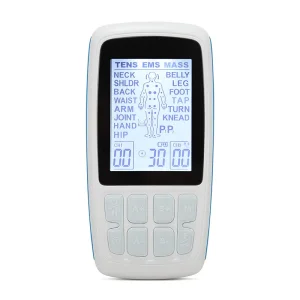
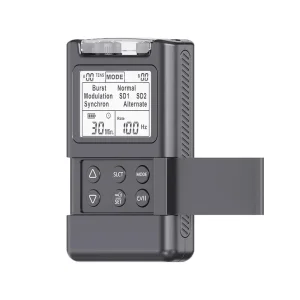
We bridge personal wellness gadgets (like smart rings, sleep trackers, and smartwatches) with central automation ecosystems using local Bluetooth LE and Zigbee APIs. By designing custom gateway adapters, wellness data can dynamically trigger lighting changes, adjust HVAC heating schedules, or activate targeted localized pain-relief devices (like TENS/EMS back-support belts) to help residents recover seamlessly.
Our ODM process covers: Product Definition, Industrial & Mechanical Design, PCB Layout & Firmware Coding, Prototype Verification (EVT/DVT), Tooling and Mold Creation, Quality Validation (PVT), and finally Mass Production and Packaging. Our co-located R&D and assembly lines in Dongguan keep communication swift, solving engineering bottlenecks quickly.
Yes, our newest smart device platforms use Matter-compatible microcontrollers. This ensures our clients' products work out-of-the-box with Apple HomeKit, Google Home, Amazon Alexa, and Samsung SmartThings without needing complex individual developer integrations.
We source components from certified partners and run batch tests with spectrometers. Our manufacturing process uses only 100% phthalate-free plastics, lead-free solder, and ROHS-compliant casings. Additionally, our Green Gift Initiative offsets carbon emissions by planting 10 trees for every 1,000 smart units shipped.
Standard OEM/ODM orders require a 1,000-unit minimum run, depending on the complexity of the hardware tooling. Lead times range from 45 days for minor customizations to 90-120 days for complex, ground-up hardware designs. This timeline includes prototyping, plastic mold construction, and final certifications.
 Royalpeak