An Ultrasonic Cavitation Machine is a popular device in modern aesthetic treatments. It uses ultrasonic waves to target and break down fat cells. Many people seek this non-invasive method for fat reduction without surgery. Understanding how this machine operates can help potential users make informed decisions.
The technology behind the Ultrasonic Cavitation Machine is fascinating yet complex. It generates sound waves that cause the formation of tiny bubbles in the fat layer. When these bubbles collapse, they create a burst of energy that disrupts fat cells. This process can lead to noticeable changes in body contours. However, results may vary depending on individual factors like body type and lifestyle.
While the Ultrasonic Cavitation Machine appears effective for many, it is essential to approach it with realistic expectations. Results are not instant and may require multiple sessions. Users should also consider the importance of a healthy diet and regular exercise for optimal outcomes. Knowledgeable practitioners can guide clients through the process, ensuring safety and effectiveness.
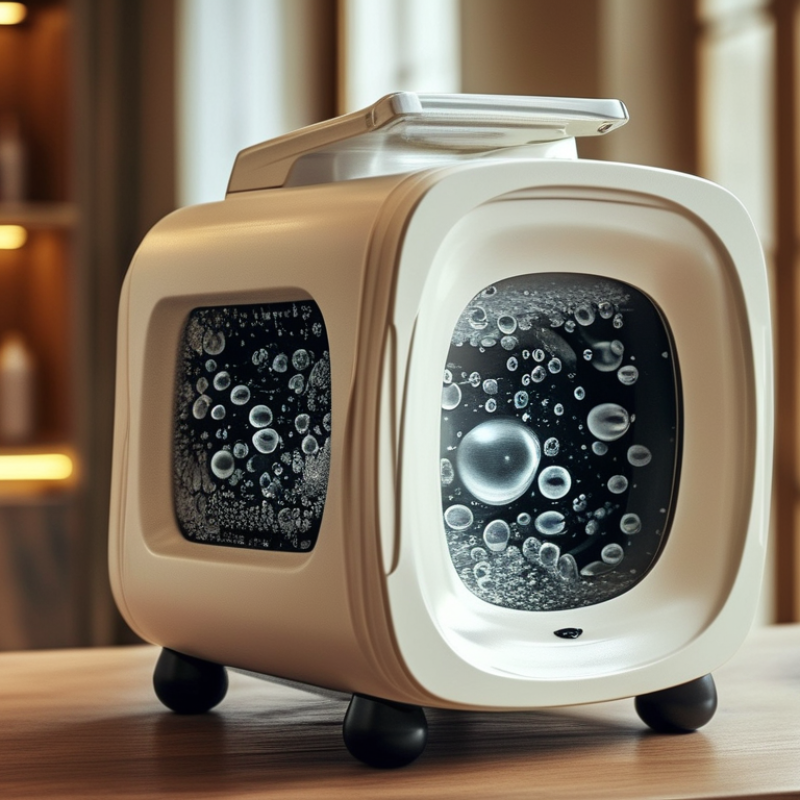
Ultrasonic cavitation is an innovative treatment gaining traction in the aesthetics industry. It uses low-frequency ultrasonic waves to create microscopic bubbles in fat cells. When these bubbles collapse, they generate pressure that breaks down fat deposits. This non-invasive technique is seen as a safe alternative to traditional liposuction. Clients experience little to no discomfort during sessions, making it a popular choice for body contouring.
Applications of ultrasonic cavitation extend beyond fat reduction. Many practitioners use this method to improve skin texture and tightness. It can also aid in reducing cellulite, giving skin a smoother appearance. However, results can vary. Some clients may not see significant changes after just one session. Optimal results often require multiple treatments, which can be a commitment for some individuals.
Ensuring proper technique and understanding the body’s response to treatment is crucial. There may be risks of bruising or skin irritation, especially when not performed correctly. Practitioners should thoroughly assess clients for any contraindications. Open dialogue about expectations and potential outcomes can enhance client satisfaction.
Ultrasonic cavitation machines are becoming popular for body contouring. They use sound waves to create microscopic bubbles in liquid. These bubbles collapse, producing energy and heat that break down fat cells. This process is non-invasive and does not require lengthy recovery times.
Understanding the technology behind these machines requires some knowledge of physics. The ultrasonic waves penetrate the skin and target fat deposits. This selective targeting helps preserve surrounding tissues. However, results can vary greatly from person to person. Some may experience immediate results, while others might need multiple sessions.
Users should have realistic expectations. Not everyone responds in the same way to ultrasonic treatments. Factors like diet and lifestyle play significant roles. It’s important to consult professionals for personalized advice. This technology shows promise, but it’s crucial to approach it with an open mind and a willingness to adapt.
Ultrasonic cavitation machines are increasingly popular in non-invasive body contouring. They utilize high-frequency sound waves to create microscopic bubbles in liquids. This phenomenon is known as cavitation. When these bubbles collapse, they generate energy that can break down fat cells. Research indicates that these machines can reduce body fat by approximately 1 to 2 centimeters per treatment session.
The mechanism hinges on precise frequency control. Most devices operate within a range of 20 kHz. At this frequency, the ultrasonic waves effectively target fat tissue while leaving surrounding areas intact. Studies show that this method can help stimulate lymphatic drainage, enhancing the body’s natural detoxification process. In some cases, clients report improved skin texture and firmness following multiple sessions.
While effective, ultrasonic cavitation is not a magic solution. Individual results may vary widely. Factors such as diet and metabolism can influence outcomes. It is essential for users to maintain realistic expectations and consult with professionals for personalized advice. Additionally, continued research is critical to understanding the long-term effects and safety of ultrasonic technology in body sculpting.
Ultrasonic cavitation is a popular method for body contouring. It uses ultrasonic waves to break down fat cells. Many people seek this treatment to achieve a more toned appearance without surgery. However, the procedure carries both benefits and risks.
The primary benefit of ultrasonic cavitation is its non-invasive nature. Patients can return to daily activities immediately after treatment. This is appealing for those who want quick results without downtime. Additionally, the procedure can target specific areas, like the abdomen or thighs. It can provide noticeable contouring after a series of sessions. However, individual results may vary, and some people may see minimal change.
On the risk side, ultrasonic cavitation isn't suitable for everyone. Individuals with certain health conditions should consult a medical professional first. Potential side effects can include bruising, swelling, or discomfort. Overuse of the treatment may lead to skin irregularities. It’s crucial to manage expectations and understand that results may take time. Each person's body reacts differently, and what works for one might not work for another.
| Dimension | Details |
|---|---|
| Machine Type | Ultrasonic Cavitation Machine |
| Technology Used | Ultrasound Waves |
| Primary Purpose | Body Contouring |
| Treatment Areas | Abdomen, Thighs, Arms |
| Duration of Treatment | 30-60 minutes per session |
| Number of Sessions | Typically 6-12 sessions |
| Benefits | Non-invasive, painless, no recovery time |
| Risks | Temporary swelling, bruising, potential allergic reactions |
| Results | Visible fat reduction and body shaping |
| Contraindications | Pregnancy, pacemakers, certain medical conditions |
Ultrasonic cavitation is a popular non-invasive treatment used for body contouring. It utilizes low-frequency sound waves to break down fat cells. The procedure has gained traction due to its effectiveness. Research highlights that patients can experience a reduction of up to 2 inches in circumference after multiple sessions. However, results vary from person to person.
For effective ultrasonic cavitation, several guidelines should be considered. First, practitioners should assess individual health and body type. Personalized treatment increases safety and effectiveness. The use of appropriate gel is vital. It enhances the transmission of sound waves, yielding better results. Keeping the treatment area hydrated helps. Hydration improves not only the procedure’s effectiveness but also the client’s comfort level.
Post-treatment care is equally crucial. Clients should maintain a healthy diet and exercise regularly. Some reports indicate that combining ultrasonic cavitation with lifestyle changes can enhance results by 30%. It’s important to set realistic expectations. While many see improvements, not everyone achieves dramatic results. Regular follow-ups can provide necessary adjustments to the treatment plan. Clients should always be encouraged to communicate openly about their experiences and concerns during the treatment process.
: They use sound waves to create bubbles that break down fat cells for body contouring.
They selectively target fat deposits while preserving surrounding tissues, enhancing the non-invasive process.
No, results vary widely. Factors like diet, metabolism, and individual physiology play significant roles.
Research indicates a reduction of approximately 1 to 2 centimeters of body fat per session.
No, this procedure is non-invasive, so there’s generally no lengthy recovery needed.
Yes, it’s crucial to maintain realistic expectations about outcomes and consult with professionals.
Some clients report improved skin texture and firmness after multiple sessions.
Personalized advice helps address individual factors that could impact treatment results.
No, it’s not a magic solution; continued lifestyle choices affect the overall effectiveness.
Studies are needed to understand the long-term effects and safety of this technology.
Ultrasonic cavitation is a non-invasive body contouring treatment that utilizes an Ultrasonic Cavitation Machine to break down fat cells through the application of ultrasonic waves. This technology has gained popularity in the aesthetics field due to its ability to target stubborn fat deposits without the need for surgery. The process involves the generation of low-frequency sound waves that create pressure variations in the targeted fat tissue, resulting in the formation of microbubbles that implode and effectively liquefy the fat.
While the benefits of ultrasonic cavitation include reduced body circumference and improved skin texture, it is essential to consider potential risks such as temporary soreness or bruising. For optimal results, patients should follow specific guidelines regarding treatment frequency and aftercare. Understanding the underlying mechanics and proper use of the Ultrasonic Cavitation Machine can lead to more effective body contouring outcomes, making it a popular choice for those seeking to enhance their appearance without invasive procedures.

Royalpeak