In the realm of physical therapy, the Tens Machine has gained significant attention. Dr. Emily Carter, a renowned expert in Tens Machine Physiotherapy, emphasizes, “Using a TENS machine effectively requires knowledge and practice.” Understanding how to utilize this device can enhance a patient’s recovery process.
The Tens Machine delivers electrical impulses that alleviate pain. Its application can be both an art and a science. Many therapists rely on its benefits, yet some may struggle to use it optimally. It’s crucial that practitioners assess each patient’s unique needs. Finding the correct settings can vastly change outcomes.
Embarking on this journey demands thoughtful reflection. While some techniques appear straightforward, achieving the best results with a Tens Machine involves continual learning. Observing patient responses is essential. Each session offers insights that can refine future applications. Balancing intuition with evidence-based guidelines ultimately fosters growth in the understanding of Tens Machine Physiotherapy.
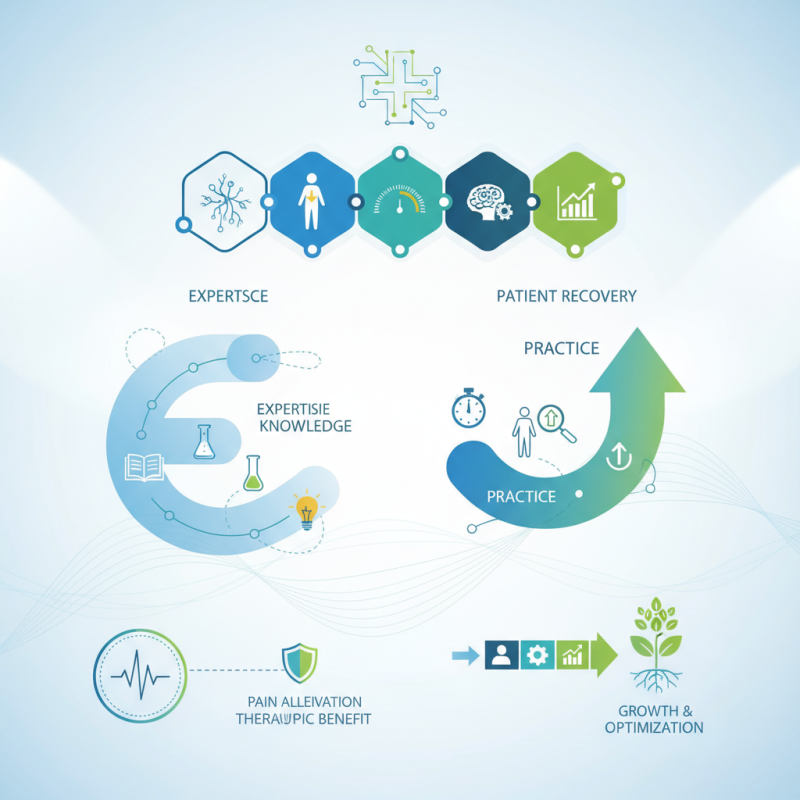
Transcutaneous Electrical Nerve Stimulation (TENS) is a method often used in physiotherapy to manage pain. Understanding how TENS works is crucial for effective application. A TENS machine sends low-voltage electrical impulses through the skin. These impulses help to interfere with pain signals before they reach the brain.
The mechanism behind TENS involves stimulating nerve fibers to release endorphins, natural pain-relieving chemicals. This action can produce varying results for different individuals. While some patients report significant relief, others may not experience the same effects. Adjusting settings like frequency and intensity is vital for optimal outcomes.
Proper placement of the TENS electrodes is another essential aspect. It requires knowledge about anatomy and pain pathways. Misplaced electrodes can lead to subpar results or even discomfort. Additionally, each patient's response can vary based on their condition and pain levels. Understanding these nuances aids in personalizing treatment effectively. Exploring TENS in physiotherapy can lead to new perspectives on pain management.
| Tip | Description | Frequency of Use | Duration per Session |
|---|---|---|---|
| Start Low | Begin with a low intensity to gauge comfort level. | 2-3 times per week | 20-30 minutes |
| Electrode Placement | Position electrodes according to pain areas for maximum effect. | As needed | 30 minutes |
| Adjust Intensity | Gradually increase intensity until a comfortable tingling sensation is felt. | Once per session | Varies |
| Consistency | Use regularly for best results; consistency can enhance effectiveness. | Daily if possible | 15-20 minutes |
| Monitor Responses | Pay attention to how your body responds; adjust settings if needed. | As needed | As required |
: TENS stands for Transcutaneous Electrical Nerve Stimulation. It's used in physiotherapy for pain management.
TENS sends low-voltage electrical impulses through the skin. This interferes with pain signals before reaching the brain.
Effectiveness varies by individual. Factors include frequency, intensity, electrode placement, and the type of pain being treated.
Low frequency (1-10 Hz) is often best for chronic pain. High frequency (80-100 Hz) suits acute pain.
Pulse width affects how the body responds. Generally, 100-200 microseconds works well but varies by individual sensitivity.
Start with a low intensity to gauge tolerance. Increase gradually but reduce immediately if discomfort occurs.
Patients often don’t understand TENS. Educating them helps manage expectations and fosters trust in the treatment process.
Keeping a pain diary can help patients monitor relief and share insights. This promotes open communication with therapists.
Results vary. Some patients may feel relief right away, while others might need multiple sessions. Patience is needed.
Misplaced electrodes can lead to discomfort or poor results. Proper placement requires knowledge of anatomy and pain pathways.
TENS machine physiotherapy is a valuable tool in pain management and rehabilitation, utilizing low voltage electrical stimulation to alleviate discomfort. Understanding the definition and mechanism of action is crucial for effective application. TENS therapy can benefit various conditions, including chronic pain, arthritis, and post-operative recovery, making it a versatile treatment option.
When using a TENS machine, optimal settings such as frequency, pulse width, and intensity play a significant role in achieving desired outcomes. Proper electrode placement techniques are essential to maximize pain relief. Additionally, effective patient education about the benefits and limitations of TENS therapy is vital for managing expectations and enhancing adherence to treatment plans. By employing these strategies, physiotherapists can improve the overall efficacy of TENS machine physiotherapy.

 Royalpeak