Choosing the right Physical Pain Treatment Device can be daunting. Studies indicate that about 30% of adults experience chronic pain. This highlights the importance of effective treatment options. Many devices claim to alleviate pain, but not all are backed by science.
Recent industry reports emphasize the growing market for pain relief technologies. The global pain management devices market is projected to reach $4 billion by 2026. This growth invites a careful selection process for consumers. Factors such as device efficacy, user comfort, and clinical support are crucial.
Exploring user reviews and expert recommendations is essential. Some devices may not deliver as promised. Moreover, individual responses to treatment vary significantly. Being informed can lead to better choices and potentially improved quality of life. Understanding the nuances of each option empowers users in their healing journey.
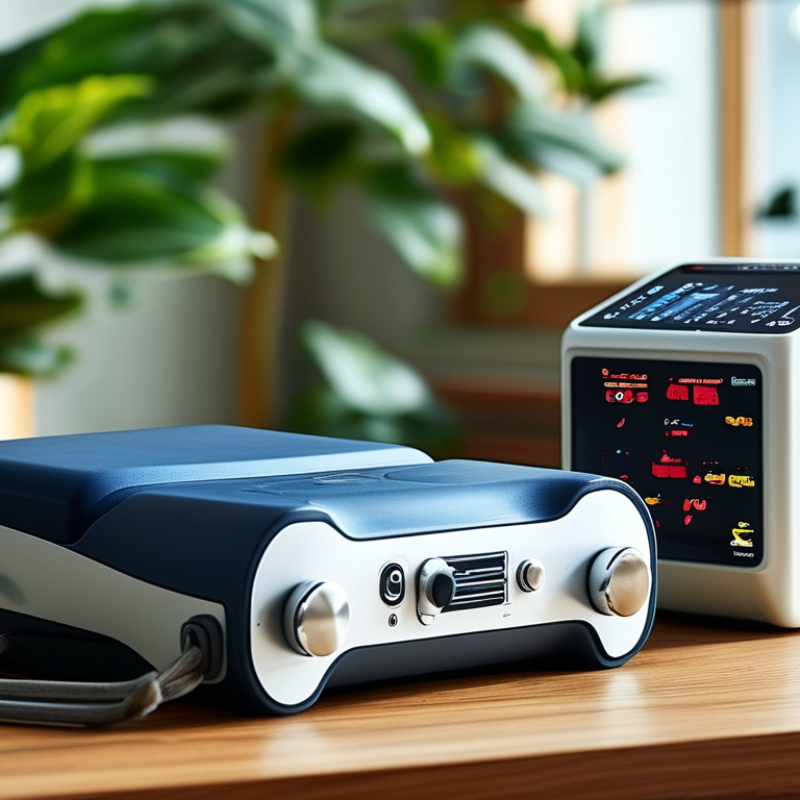
When considering pain treatment devices, it's essential to understand the types available. Physical pain can arise from various conditions, like arthritis or sports injuries. Devices range from TENS units to infrared therapy tools. Each type serves specific purposes based on individual needs.
Research indicates that approximately 44% of adults experience chronic pain. Reports also suggest that TENS (Transcutaneous Electrical Nerve Stimulation) units can reduce pain significantly for some users. These devices send electrical signals through the skin, interrupting pain signals to the brain. However, not everyone responds the same way. Some may not feel any relief, which can be frustrating.
Infrared devices work differently. They use light to penetrate tissue and help reduce inflammation. Studies show they can be effective for muscle recovery, but results vary. This inconsistency highlights the importance of personalizing pain management strategies. Choosing the right device requires careful consideration of one’s unique pain profile. Gathering data on different devices can guide informed decisions, although more research is needed to determine long-term effectiveness.
Evaluating the effectiveness of pain relief technologies can be challenging. Many devices claim to alleviate pain, but not all provide tangible results. It’s crucial to assess the scientific backing of these technologies. Look for clinical studies that showcase their efficacy. Solid evidence enhances trust in the product.
Patient experiences also play a significant role. Real-world testimonials can highlight benefits and drawbacks. Some users may report quick relief, while others find minimal results. This variability prompts reflection. What works for one person may not work for another. Consider trying different devices to find what suits your needs.
Consulting with healthcare professionals adds another layer of validation. They can provide insights based on extensive experience. Collaboration between patients and providers fosters informed decisions. Evaluating effectiveness goes beyond product claims. The journey to find the right pain relief device requires patience and exploration. The right choice can significantly impact daily life.
Choosing the right physical pain treatment device involves critical factors. It's important to assess the type of pain you experience. Different devices target various conditions. For example, chronic pain may need something different than post-injury recovery requires. Knowing your specific needs is essential.
Comfort and usability are also vital. A device should not only relieve pain but also fit into your daily routine. If a device is too cumbersome or difficult to operate, you may avoid using it. Read user reviews and testimonials. Real experiences can provide insights into how well a device performs in practical situations.
Lastly, consider the device's safety features. Some devices may have side effects or require special handling. Ensure you understand potential risks before starting treatment. Reflecting on these factors can lead you to a more informed decision. Choosing a device isn't always straightforward; each option comes with its own set of challenges and perspectives.
When selecting a physical pain treatment device, user experience and safety features are paramount. Many users report that comfort during use significantly impacts their adherence to treatment. A survey by the American Pain Society found that 85% of pain sufferers prefer devices that offer a user-friendly interface. Easy navigation can make a difference.
Safety features cannot be overlooked. According to data from the National Institute of Health, over 30% of reported injuries from pain relief devices stem from improper usage. Clear instructions and built-in safety functions are essential. For example, automatic shut-off mechanisms can prevent burns or cuts. A lack of such features can lead to discouragement.
While various devices claim effectiveness, their usability varies. Users have noted some devices can be cumbersome. Therefore, looking for ergonomic designs may enhance comfort. This doesn't negate the need for regular evaluations of device performance and safety. Constant consumer feedback can guide improvements and foster device innovation.
Choosing the best physical pain treatment device can feel overwhelming. With numerous options, understanding cost versus value is essential. According to a report by the American Pain Society, nearly 20% of Americans experience chronic pain, leading many to explore various pain relief devices. However, not all devices offer the same effectiveness or longevity, making informed decision-making crucial.
When evaluating options, consider the treatment's overall value, not just the price. For example, a device with a higher upfront cost may provide longer-lasting relief, reducing future expenses. The National Institute of Health reports that certain high-quality devices can lead to decreased reliance on medication, saving money in the long run.
Tips:
- Research user reviews and clinical studies for insights.
- Look for devices with a good warranty; this can indicate reliability and manufacturer confidence.
- Compare the long-term costs of consumables, like batteries or replacement parts, associated with each device. Aim for a balance between initial investment and ongoing maintenance costs.
| Treatment Device | Cost ($) | Effective for | Value Rating (1-5) | User Review Score (1-10) |
|---|---|---|---|---|
| TENS Unit | 50 | Muscle Pain Relief | 4 | 8 |
| Heating Pad | 30 | Chronic Back Pain | 5 | 9 |
| Cold Therapy Pack | 25 | Swelling and Inflammation | 4 | 7 |
| Massage Gun | 150 | Muscle Recovery | 5 | 9 |
| Ultrasound Therapy Device | 200 | Joint Pain | 3 | 7 |
: Look for clinical studies supporting its claims. Testimonials can also provide insight into user experiences.
Variability in results is common. Some report quick relief, while others may find little benefit.
Consulting experts helps validate devices. Their input can significantly guide your choices.
Comfort is crucial; choose devices with user-friendly interfaces to improve adherence to treatment.
Over 30% of injuries are due to improper use. Safety features can prevent accidents and promote confidence.
Look for ergonomic designs which enhance comfort during use. Avoid cumbersome devices to ensure ease of use.
Regular evaluations provide insights into usability and safety. Feedback can drive innovations and improvements.
A lack of safety measures can lead to injuries and discouragement from using the device.
No, different devices may work differently for individuals. Personal exploration is often necessary to find the best fit.
When selecting the best Physical Pain Treatment Device, it's essential to understand the variety of options available and their respective technologies. Different devices utilize unique methods for pain relief, such as electrical stimulation, heat therapy, or cold therapy. Evaluating the effectiveness of these technologies based on individual health needs and pain management goals is crucial for making an informed choice.
In addition to the technology itself, key factors like user experience and safety features should be considered. A device that is comfortable and easy to use will enhance the likelihood of regular utilization, which is vital for effective pain management. Lastly, assessing the cost versus value relationship helps ensure that the chosen Physical Pain Treatment Device meets both budgetary constraints and therapeutic needs, allowing individuals to achieve optimal pain relief.

Royalpeak