As the demand for effective rehabilitation solutions continues to rise, the importance of quality Physical Therapy Equipment cannot be overstated. According to Dr. Lisa Greene, a leading expert in rehabilitation sciences, "The right equipment can significantly enhance recovery outcomes." In 2026, global buyers will be tasked with selecting the best tools to meet diverse patient needs.
Incorporating innovation with reliability is key in Physical Therapy Equipment. Flexibility, durability, and user-friendliness are essential features to consider. Each piece of equipment should address specific therapeutic goals—be it pain relief, mobility improvement, or strength building. However, not every piece of equipment will fit every condition or patient. It’s essential to tailor choices based on individual requirements.
The landscape of Physical Therapy Equipment is evolving. Emerging technologies present great opportunities, but they also pose challenges. Doctors and therapists must critically assess new trends. High prices do not always guarantee quality. A thoughtful approach to selection can lead to better long-term patient outcomes. Hence, every decision in this field should prioritize evidence-based practices and personalized care.
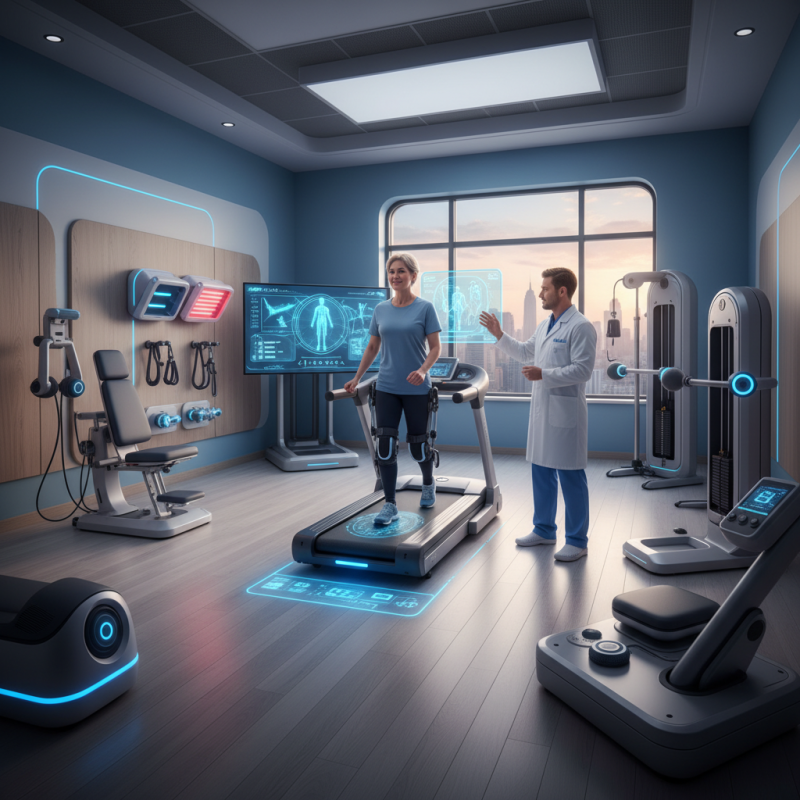
2026 Trends in Physical Therapy Equipment Market for Global Buyers
As we approach 2026, the physical therapy equipment market is set to evolve. Innovations will cater to a growing demand for advanced technology that enhances patient outcomes. Therapy robots and AI-assisted devices are likely to gain traction. These tools promise improved precision in rehabilitation, helping patients recover more effectively.
Sustainability is another emerging trend. Many companies are exploring eco-friendly materials for equipment construction. This shift may appeal to global buyers prioritizing environmental responsibility. However, the challenge remains in balancing durability and sustainability in product designs. Training metrics and tracking systems will also see advancements. These innovations help therapists tailor their approaches, but they require thorough training for effective use.
Lastly, a focus on affordability is critical. Many healthcare providers face budget constraints. Solutions must bridge the gap between cutting-edge technology and cost-effectiveness. Yet, ensuring lower prices shouldn’t compromise quality. The dialogue between innovation and practicality will be vital for global buyers moving forward.
Key Factors Influencing Purchasing Decisions in Physical Therapy Equipment
When considering physical therapy equipment, buyers must focus on several key factors. Quality and durability are essential. Equipment should withstand heavy use while delivering effective results. Users often seek products that offer versatile applications. Look for equipment that caters to various therapy needs.
Tips: Evaluate materials used. High-quality materials often indicate longevity.
Another critical aspect is
ease of use. Therapists and patients alike need equipment that is straightforward. Complicated machinery can lead to frustration and ineffective treatment.
Consider how intuitive the setup is. A smooth experience can enhance the therapy process greatly.
Tips: Read feedback from other users. Real experiences provide insights that can guide your decision.
Finally,
cost is always a factor. However, lower prices don’t always equate to good value. Cheaper products may fall short in performance. It’s wise to
balance between budget constraints and quality. Investing in well-made equipment can yield better outcomes.
Tips: Don’t rush your decision. Take time to compare options.
Top Innovative Technologies in Physical Therapy Equipment for 2026
As we move towards 2026, the field of physical therapy is set to witness a significant transformation. Top innovative technologies are paving the way for better patient outcomes and enhanced treatment efficiency. According to a report by the Global Market Insights, the physical therapy equipment market is projected to grow at a CAGR of 7.5% from 2021 to 2027. This growth is largely driven by advanced technologies such as virtual reality (VR), artificial intelligence (AI), and robotic-assisted rehabilitation.
VR is revolutionizing the rehabilitation process. It allows patients to engage in immersive environments where they can perform therapeutic exercises through interactive scenarios. Meanwhile, AI systems analyze patient data, tailoring treatment plans based on individual recovery trajectories. Robotic-assisted devices provide precise movements, aiding therapists in delivering effective care.
**Tip:** Consider the adaptability of these technologies in your practice. Are they suited to your patient demographic?
Despite these advancements, challenges remain. Not all clinics can afford high-end equipment, and there may be a learning curve in implementing new technologies. Additionally, patient preferences should also guide technology adoption. Understanding these factors is essential for successful integration.
**Tip:** Engage patients in discussions about their comfort with new technologies. Their feedback can guide your implementation strategy.
2026 Best Physical Therapy Equipment Trends
Comparative Analysis of Pricing for Leading Physical Therapy Devices
In the global market for physical therapy equipment, pricing plays a critical role in purchasing decisions. Many factors contribute to the pricing of these devices, including functionality, durability, and ease of use. For instance, devices like resistance bands and kinesiology tape are generally more affordable, appealing to budget-conscious buyers. However, advanced modalities, such as ultrasound machines and electrical stimulation units, can command higher prices due to their complex technology.
When analyzing pricing, it's essential to compare similar devices within the same category. For example, handheld massagers vary significantly in price based on their features. Some models offer adjustable intensity levels, while others provide additional attachments for versatility. Buyers must contemplate whether these extra features warrant the increased cost. Additionally, assessing warranties and customer support can influence overall value beyond just the upfront price.
It's crucial for buyers to consider the long-term investment in equipment. Cheaper options may save money upfront but could lead to higher costs over time due to repairs or replacements. Quality often dictates longevity and effectiveness. Buyers should prioritize research on user reviews and professional insights to make informed decisions that suit their specific needs in physical therapy.
2026 Best Physical Therapy Equipment for Global Buyers
| Device Type |
Price Range (USD) |
Key Features |
Target Market |
| Ultrasound Therapy Unit |
$800 - $1,200 |
Portability, Adjustable Settings |
Clinics, Home Rehabilitation |
| Electrical Stimulation Device |
$150 - $500 |
Multiple Waveforms, User-Friendly Interface |
Athletic Training, Physiotherapy |
| Therapy Balls |
$15 - $50 |
Various Sizes, Durable Material |
Home Use, Gyms |
| Resistance Bands |
$10 - $30 |
Lightweight, Versatile Usage |
Fitness Enthusiasts, Therapists |
| Hydrotherapy Equipment |
$2,000 - $10,000 |
Temperature Control, Water Resistance |
Rehabilitation Centers, Hospitals |
Global Supply Chain Logistics for Physical Therapy Equipment Distribution
Efficient global supply chain logistics are crucial for the distribution of physical therapy equipment. These systems ensure that clinics and hospitals receive necessary tools on time. Handling diverse products requires robust coordination between manufacturers, suppliers, and distributors. Each stage involves unique challenges, from manufacturing delays to shipping disruptions.
Incorporating advanced tracking technology can enhance visibility during transportation. Real-time data enables stakeholders to monitor shipments, reducing uncertainty. However, it is worth noting that logistical hurdles often arise unexpectedly. Factors like weather disturbances or port congestion can delay deliveries. This highlights the need for contingency planning in logistics to mitigate risks.
Moreover, building strong relationships within the supply chain is essential. Communication fosters collaboration, which can lead to faster problem-solving. Sharing insights among partners can lead to innovative solutions. However, relying solely on established networks may pose risks. Exploring alternative suppliers may be beneficial, especially in emergencies. Striking the right balance between reliability and flexibility is vital for success.
FAQS
: Expect innovations like therapy robots and AI-assisted devices for better patient outcomes. Technology will improve rehabilitation precision.
Sustainability is gaining traction. Eco-friendly materials are becoming popular. However, maintaining durability while being sustainable can be challenging.
Training metrics and tracking systems are evolving. They help tailor therapy, but require thorough training for effective use.
Many providers face budget constraints. Affordable solutions must not sacrifice quality. Balancing innovation with cost-effectiveness is essential.
Pricing is affected by functionality, durability, and ease of use. More complex devices usually come with a higher price tag.
Compare similar devices carefully. Extra features may increase costs but could provide added value. Consider warranties and support too.
Cheaper options may save money initially, but could lead to higher costs later. Quality affects longevity and effectiveness, so research is vital.
Prioritize research on user reviews and professional insights. Informed decisions should cater to specific therapy needs.
Conclusion
The article "2026 Best Physical Therapy Equipment for Global Buyers" explores the latest trends and innovations in the physical therapy equipment market. It highlights key factors influencing purchasing decisions, such as effectiveness, ease of use, and integration with technology. Buyers are increasingly seeking equipment that enhances patient outcomes while being cost-effective.
Moreover, the piece delves into the top innovative technologies anticipated to shape the physical therapy landscape in 2026, offering insights into advancements that can improve therapy methods. A comparative analysis of pricing for leading devices reveals variations and helps buyers make informed decisions. Finally, the discussion on global supply chain logistics underscores the importance of efficient distribution channels in ensuring the availability and accessibility of high-quality physical therapy equipment worldwide.

 Royalpeak