Top 10 Benefits of Electrotherapy Stimulation for Pain Relief?

Time:2026-05-28 Author:Aria
0%

Electrotherapy Stimulation has gained attention for its role in pain management. According to the National Institutes of Health, about 50 million Americans suffer from chronic pain. This growing issue demands effective solutions. Electrotherapy offers a viable alternative to pharmaceuticals. Research shows that it can significantly reduce pain perception and improve quality of life.

Studies suggest that around 70% of patients report relief after using Electrotherapy Stimulation. Devices like TENS (Transcutaneous Electrical Nerve Stimulation) are now commonplace in both clinical and home settings. Patients appreciate the non-invasive nature of this therapy. However, it’s important to recognize that not everyone responds the same way.

As we explore the top 10 benefits of Electrotherapy Stimulation, we should remain aware of its limitations. Some may experience side effects like skin irritation. Understanding these nuances is crucial for safe and effective use. The potential for improved function and reduced pain is promising. However, informed choices are essential for achieving the best outcomes.
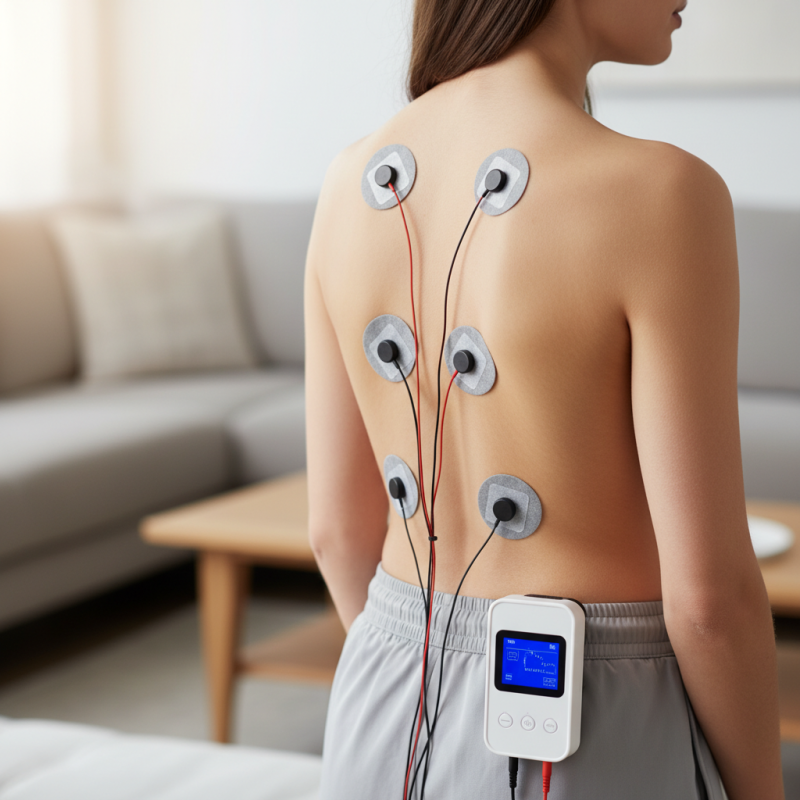
Top 10 Benefits of Electrotherapy Stimulation for Pain Relief?

Understanding Electrotherapy Stimulation and Its Mechanism for Pain Relief

Electrotherapy stimulation is a popular method for pain relief, utilizing electrical impulses to soothe discomfort. This technique acts on the nervous system, effectively interrupting pain signals before they reach the brain. By targeting specific areas, it promotes relaxation in muscles and reduces inflammation. Patients often experience immediate relief after treatment, which can vary based on individual response.

Understanding the mechanism behind electrotherapy is crucial. The therapy stimulates sensory nerves, promoting the release of endorphins, natural painkillers produced by the body. This process not only alleviates pain but also enhances circulation, promoting faster healing. While the benefits are clear, individual experiences with electrotherapy can vary significantly, leading to reflections on its effectiveness.

Some patients may require multiple sessions to achieve desired results. It is essential to work with trained professionals to tailor the treatment plan. One must remain open to adjustments based on how the body responds. Regular monitoring is key, as not all techniques yield the same outcomes for everyone. Thus, while electrotherapy offers promising advantages, it also demands a nuanced approach to maximize its potential for pain relief.

Top 10 Benefits of Electrotherapy Stimulation for Pain Relief

Benefit Description Mechanism
Pain Reduction Helps alleviate acute and chronic pain. Stimulates nerves to block pain signals.
Muscle Relaxation Reduces muscle spasms and stiffness. Enhances blood flow, promoting relaxation.
Increased Circulation Promotes better blood flow to tissues. Stimulates blood vessels through electrical impulses.
Reduced Edema Minimizes swelling in affected areas. Facilitates lymphatic drainage.
Enhanced Range of Motion Improves flexibility and movement. Loosens tight muscles and joints.
Accelerated Healing Speeds up recovery from injuries. Promotes tissue repair through stimulation.
Improved Muscle Strength Strengthens weak or atrophied muscles. Electrically stimulates muscle contractions.
Non-invasive Treatment Offers a pain relief method without surgery. Utilizes external electrical devices.
Customizable Therapy Tailors treatment to individual needs. Settings can be adjusted for various conditions.
Reduced Dependency on Medications May decrease the need for pain medications. Provides alternative pain management options.

Top Health Conditions Benefiting from Electrotherapy for Pain Management

Electrotherapy is a growing field in pain management. Many health conditions benefit significantly from the use of electrotherapy. Conditions like arthritis, fibromyalgia, and chronic back pain respond well. According to a report from the National Center for Health Statistics, around 50 million Americans experience chronic pain. Electrotherapy can offer a non-invasive solution for many of these individuals.

Electrotherapy employs electrical impulses to stimulate nerves and muscles. This stimulation can help alleviate pain while promoting healing. Research indicates that up to 90% of individuals with neuropathic pain find relief through this method. Managers of chronic conditions often monitor treatment effectiveness closely. They look for data that demonstrates safety and affordability, which electrotherapy offers.

Despite its advantages, some concerns remain. Electrotherapy may not work for everyone. Factors like the type of pain and patient sensitivity play a role. Optimal settings and parameters must be tailored for each individual. Continued research is necessary to refine these approaches. The evolving landscape of electrotherapy could enhance its efficacy, benefiting millions suffering from pain.

Exploring Different Types of Electrotherapy Techniques Used for Pain Relief

Electrotherapy is a growing field in pain management. Different techniques are employed to aid recovery and alleviate discomfort. Transcutaneous Electrical Nerve Stimulation (TENS) is one of the most common forms. TENS works by sending electrical impulses to disrupt pain signals. Studies show that around 70% of users report significant relief.

Another technique is Electrical Muscle Stimulation (EMS). EMS stimulates muscles to prevent atrophy and improve circulation. According to the American Physical Therapy Association, it can enhance recovery in post-operative patients. However, results can vary, and what works for one person might not work for another.

When considering electrotherapy, here are some tips:

  • Always consult a healthcare professional before starting.
  • Track your pain levels to determine effectiveness.
  • Be patient; it may take several sessions for optimal results.

Electrotherapy can be beneficial, but it doesn’t replace traditional treatment methods. Individual responses differ, and ongoing evaluation is important. Explore various techniques to tailor a pain management plan that fits your needs.

Examining Safety and Side Effects of Electrotherapy Stimulation

Electrotherapy stimulation is becoming a popular method for pain relief. While it offers potential benefits, safety and side effects must be taken into account. A thorough understanding of these factors aids in making informed decisions about this treatment option.

Patients often report mild discomfort during sessions. Skin irritation is a common complaint. As with any therapy, individual reactions can vary. Some may experience muscle twitching that feels unusual. This sensation might take time to get used to. Moreover, underlying conditions can influence effectiveness and safety. Pregnant women or those with heart conditions may need special caution. Consulting a healthcare provider is essential before starting therapy.

There are risks involved in electrotherapy that should not be overlooked. Overuse can lead to muscle fatigue or cramping. This might make pain worse rather than better. Adjusting settings for individual needs is crucial. Side effects like dizziness or headaches may occur but are often temporary. Monitoring how one's body responds can help manage these issues better. Implementing this method requires thoughtful consideration and awareness of personal health conditions.

Top 10 Benefits of Electrotherapy Stimulation for Pain Relief

Electrotherapy stimulation offers numerous benefits for pain relief, including reduction of pain, muscle relaxation, and improved circulation. The data above highlights ten key benefits commonly associated with this therapy, showcasing their effectiveness and positive impact on health and wellness.

Patient Experiences: Real-Life Benefits of Electrotherapy for Chronic Pain

Electrotherapy has increasingly become a pivotal choice for chronic pain management. Patients often share transformative experiences following treatments. Many report reduced pain levels and improved mobility. A study in the Journal of Pain Research noted that nearly 70% of participants experienced significant relief after electrotherapy sessions. These findings highlight the efficacy of this treatment in real-life scenarios.

Personal stories reveal varied responses to electrotherapy. One patient, for instance, described a 50% reduction in chronic back pain after just a few sessions. This allowed her to resume activities she thought were lost forever. However, not everyone experiences the same success. Some report minimal improvements, prompting a need for more personalized treatment plans. The variability in patient responses underscores the complexity of pain management.

Moreover, the psychological benefits shouldn't be overlooked. Many patients feel empowered by taking an active role in their healing process. A report by the American Pain Society also indicates that positive patient experiences contribute to overall health outcomes. Nevertheless, it's crucial to approach electrotherapy with realistic expectations. While beneficial for many, it’s not a universal solution. Each patient's journey with chronic pain is unique, warranting continual assessment and adaptation of treatment strategies.

FAQS

: What is electrotherapy stimulation?

: Electrotherapy stimulation uses electrical impulses to relieve pain by interrupting signals to the brain.

How does electrotherapy work?

It stimulates sensory nerves, releasing endorphins to alleviate pain and improve circulation.

What conditions benefit the most from electrotherapy?

Conditions like arthritis, fibromyalgia, and chronic back pain often see significant improvement.

Is immediate relief guaranteed with electrotherapy?

Many patients experience immediate relief, but results can vary based on individual responses.

Do patients need multiple sessions for effective results?

Yes, some may require several sessions to achieve the desired pain relief.

Who should administer electrotherapy treatments?

It's essential to work with trained professionals to tailor treatment plans.

Can electrotherapy be adjusted during treatment?

Yes, adjustments may be needed based on the individual’s response to therapy.

Is electrotherapy effective for everyone?

No, it may not work for everyone; factors like pain type and sensitivity matter.

What role does research play in electrotherapy?

Ongoing research is vital to refine techniques and enhance treatment effectiveness.

Are there any concerns with using electrotherapy?

Yes, some concerns include variable effectiveness and the need for personalized settings.

Conclusion

Electrotherapy Stimulation has emerged as a key method for alleviating pain, utilizing electrical impulses to disrupt pain signals and promote healing. This innovative approach offers numerous benefits for managing a variety of health conditions, including chronic pain disorders, arthritis, and sports injuries. By understanding the mechanisms behind electrotherapy and exploring different techniques, such as TENS and interferential current therapy, patients can find tailored solutions for their pain relief needs.

Furthermore, safety is a paramount consideration, and while electrotherapy is generally well-tolerated, it's essential to be aware of potential side effects. Real-life patient experiences highlight the effectiveness of Electrotherapy Stimulation, showcasing significant improvements in quality of life for those suffering from persistent pain. Overall, electrotherapy stands out as a valuable tool in modern pain management strategies, providing hope and relief to many individuals.


Aria

Aria

Aria is a dedicated marketing professional with a deep passion for innovative strategies and a keen understanding of our company's product offerings. With a wealth of experience in the industry, Aria excels at crafting engaging content that highlights the unique features and benefits of our......